Water Damage Restoration in Boston, MA
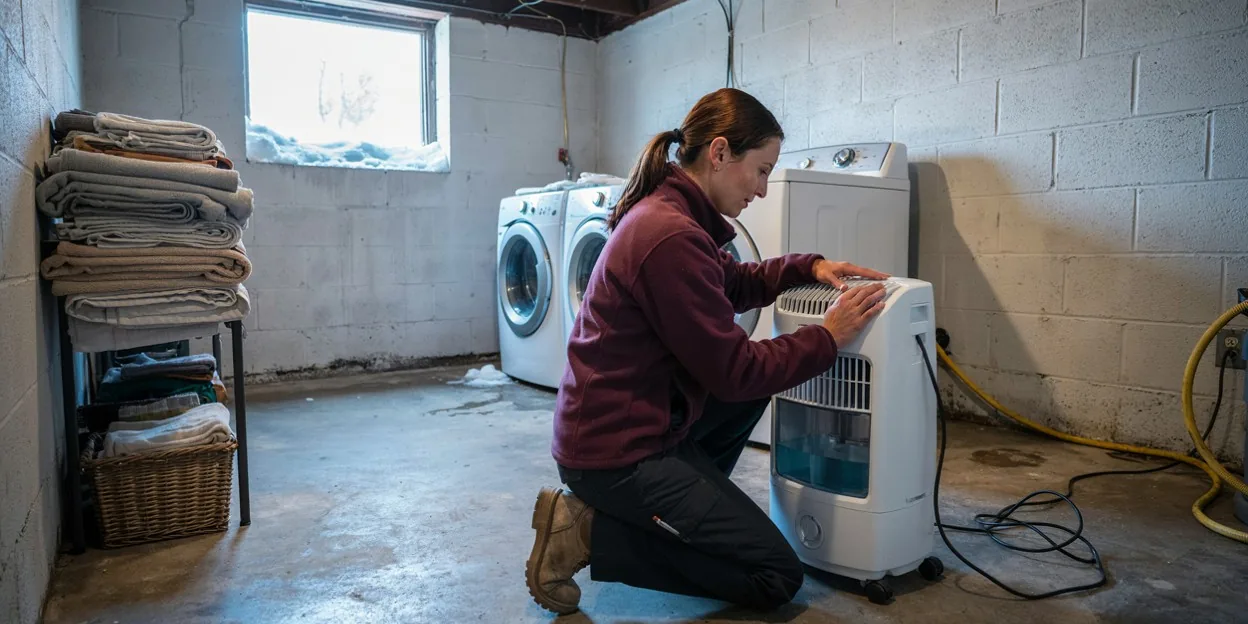
Boston is a city of basements under old houses on wet ground. Most of the housing went up between 1880 and 1925, when streetcars pushed triple-deckers out into Dorchester, Roxbury, and Jamaica Plain and brick rowhouses filled the South End and Charlestown. Whole neighborhoods, Back Bay, the South End, the Seaport, and much of East Boston, sit on land filled in the 1800s, where the water table is a few feet below the cellar floor.
The water comes from every direction. On January 4, 2018, a nor'easter pushed the harbor to its highest tide ever recorded and sent seawater down Seaport Boulevard and across Long Wharf. On February 4, 2023, the temperature at Logan hit ten below and pipes split across the city. The winter of 2015 buried the city in about 110 inches of snow and ice dams leaked through top-floor ceilings for weeks. And on an ordinary hard rain, the combined sewers under the older streets back up into the lowest floor drain.
Boston water damage, one house at a time
A cellar taking on water through the fieldstone after a storm is a basement flooding cleanup job, and if it came up the floor drain it is sewage cleanup instead. A radiator pipe that froze in a bay window and let go on the thaw is frozen pipe cleanup, and in a triple-decker it usually means three units and a basement are wet.
Whatever the source, the first hour is the same in every neighborhood. Shut the main valve in the basement if a pipe is involved, keep power off to anything standing in water, and photograph each room before the wet rugs and boxes go to the curb. In a triple-decker or a condo building, knock on the other doors, because the water rarely stayed on one floor. A crew that meters the whole path from the source to the cellar finds the wet plaster and framing before it turns into a mold problem in a closed-up wall.
Where to call in Boston
Drinking water for the city comes from the Quabbin and Wachusett reservoirs through the Massachusetts Water Resources Authority, which also runs the Deer Island treatment plant that takes the city's sewage. Inside the city, main breaks and sewer backups on the street side go to the Boston Water and Sewer Commission.
Rebuilding plaster, plumbing, or wiring after the drying usually needs a permit from Inspectional Services. If the house is in one of the city's historic districts, Beacon Hill, Back Bay, the South End, Bay Village, and others, exterior work passes through the Boston Landmarks Commission as well, though interior drying and plaster repair do not.
Call (857) 524-9927 now and tell us what you see. A local water damage provider serving Boston takes it from there.
Services Available in Boston
Water Extraction
Standing water pumped and vacuumed out of a flooded basement or a wet floor, then the first meter readings to see where it traveled.
Structural Drying
Air movers and dehumidifiers set by moisture readings, with checks until plaster, joists, and subfloor reach their target.
Basement Flooding Cleanup
Water pulled out of a fieldstone or brick basement, wet finishes and stored belongings sorted, and the space dried before it turns musty.
Frozen Pipe Cleanup
Cleanup after a pipe froze in an outside wall or a cold cellar and let go on the thaw, including the days it may have run unseen.
Burst Pipe Water Damage
The water a failed supply line or old galvanized pipe sent through floors, plaster, and the unit below, extracted and dried.
Sewage Cleanup
Sewer backup and black-water removal with protective gear, contained disposal, and disinfection of the surfaces that stay.
Ceiling Water Damage Repair
A stained or sagging plaster ceiling traced to the bathroom or radiator above, dried from both sides, and rebuilt.
Sump Pump Failure Cleanup
Basement water removed after a pump lost power or could not keep up with a spring rain, then the walls and floor dried out.